
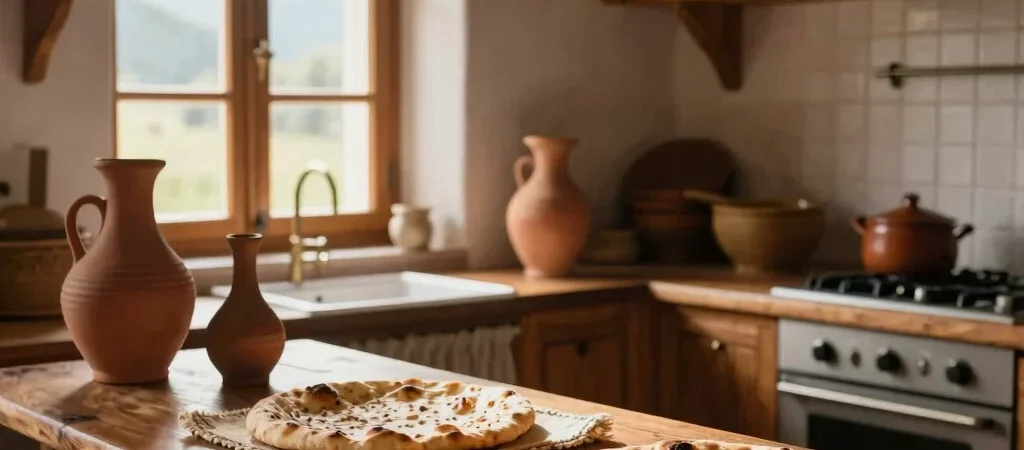
High in the Caucasus mountains of Georgia, hospitality is treated not as a commercial industry, but as a sacred tradition. Stepping into a family-run kitchen in Svaneti, the aroma of crushed coriander, garlic, and freshly baked bread fills the room long before the meal begins. Here, food is the primary vector for cultural immersion and deep human connection.
The Art of Slow Hearth Cooking
Georgian culinary methods have remained largely unchanged for centuries, relying on wood-fired stone ovens and clay kvevri pots buried underground. Preparing dishes like khachapuri or slow-simmered stews requires patience, woodcraft, and seasonal produce plucked directly from neighboring kitchen gardens. Observing this process reveals a lifestyle in harmony with the surrounding hills.
Gathering Around Traditional Supra Feasts
A Georgian supra is far more than a simple dinner; it is an elaborate ritual of storytelling, music, and heart-felt toasts guided by a tamada. Guests are welcomed as honored friends, sharing carafes of amber wine and dishes passed across wooden tables. These long evenings demonstrate how food bridges cultural divides faster than language ever can.
Preserving Heritage Through Local Encounters
By engaging directly with home cooks and artisanal wine producers, travelers support rural economies while keeping age-old traditions alive. Small-group expeditions ensure that these visits remain intimate and respectful, preventing the erosion of local heritage. The result is a profound travel experience rooted in mutual respect.